

 HOME
HOME
 BLOG
Microbial Safety in Fermentation: Design Features and Operational Practices for Contamination-Free Brewing
BLOG
Microbial Safety in Fermentation: Design Features and Operational Practices for Contamination-Free Brewing
Microbial Safety in Fermentation: Design Features and Operational Practices for Contamination-Free Brewing


Contamination is one of the greatest threats to beer quality. Even a minor introduction of unwanted microorganisms—such as wild yeasts or bacteria—can ruin an entire batch, resulting in off-flavors, haze, or complete spoilage. Preventing contamination requires meticulous attention at every stage of the brewing process, from raw material handling to packaging. Among all the equipment in a brewery, the fermenter plays the most critical role in safeguarding beer purity. In this article, we explore the design features, operational practices, and monitoring systems that enable modern fermenters to effectively prevent contamination during fermentation.
1. Stainless Steel Construction: A Hygienic Foundation
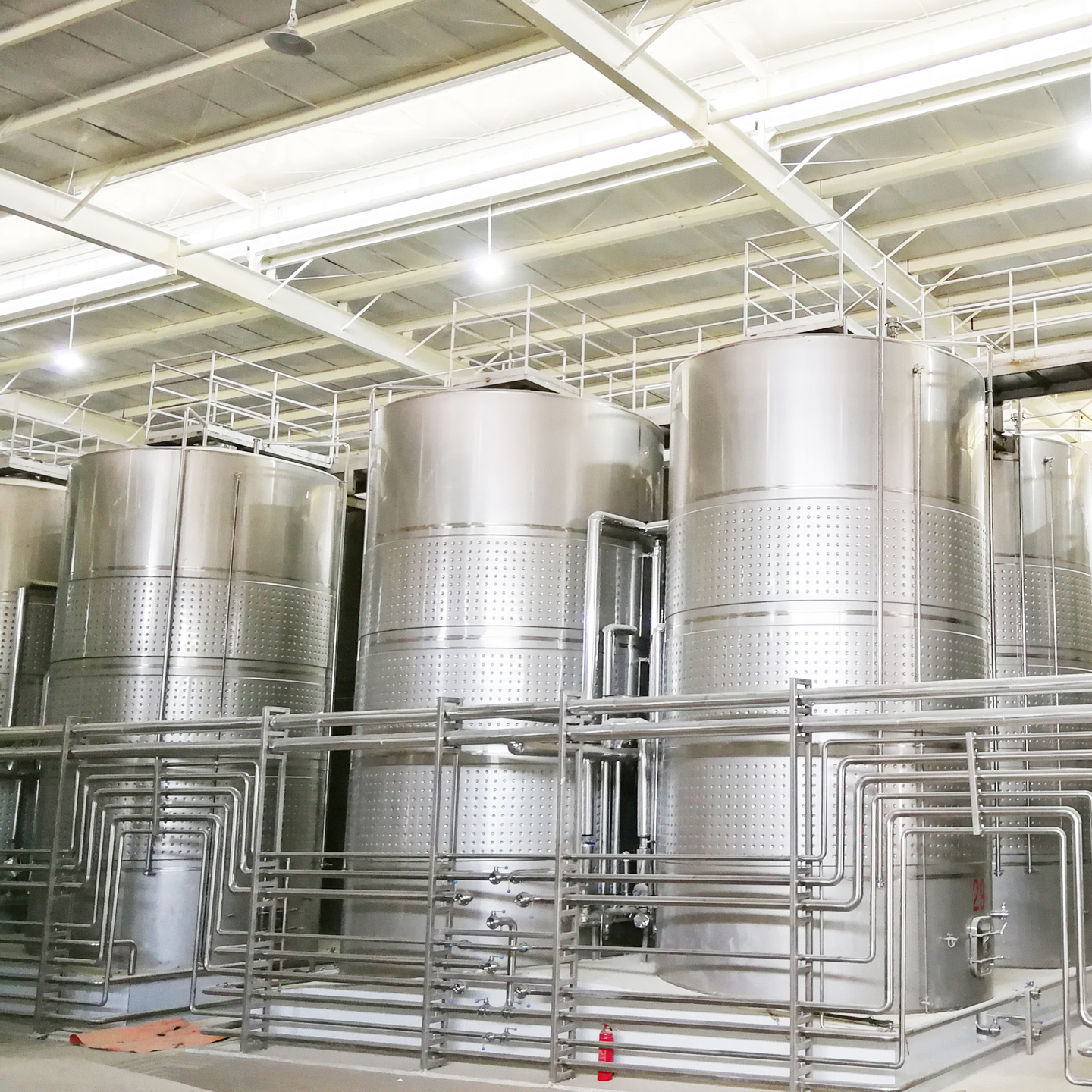
The material of the fermenter itself is the first line of defense. Professional breweries almost exclusively use food-grade stainless steel (typically 304 or 316) for their fermentation tanks. Stainless steel offers several key advantages:
-
Non-porous surface: Unlike wood or certain plastics, stainless steel does not harbor bacteria or absorb residues.
-
Easy to clean and sanitize: Its smooth, mirror-polished interior prevents biofilm formation and allows thorough cleaning with CIP (Clean-in-Place) systems.
-
Corrosion resistance: Stainless steel withstands the acidic and alkaline environments of both beer and cleaning chemicals, maintaining its protective properties over decades of use.
-
Temperature stability: It can endure repeated heating and cooling cycles without degradation, supporting both hot sanitation and cold fermentation.
By choosing stainless steel, breweries establish a durable, sanitary vessel that significantly reduces the risk of microbial contamination from the tank itself.
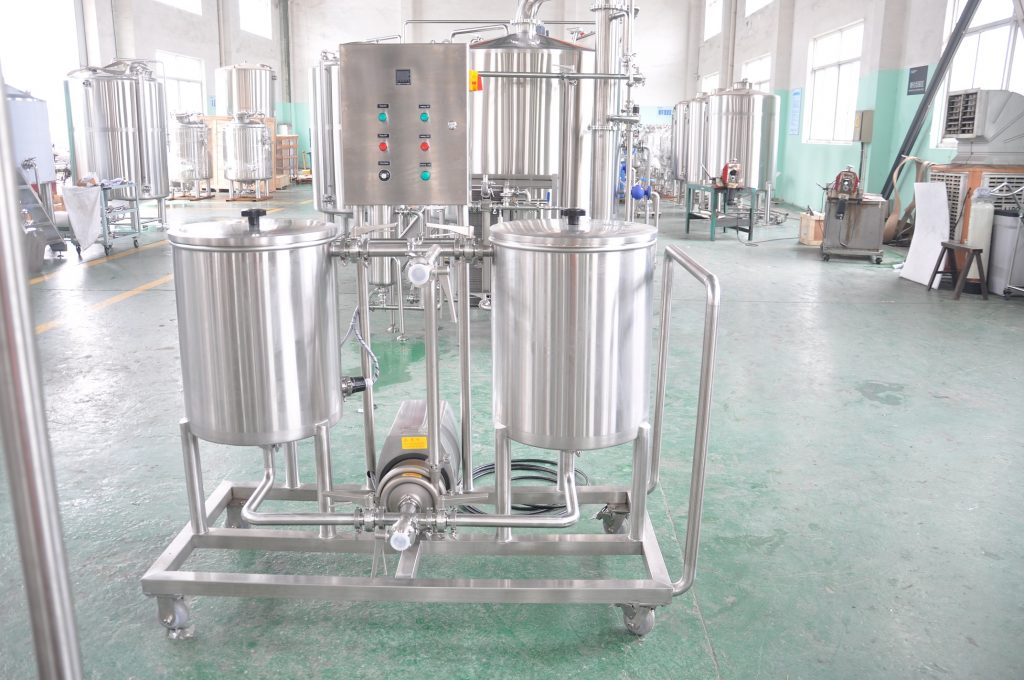
2. Rigorous Sanitization Before Each Use
Before any wort enters the fermenter, the tank undergoes a thorough sanitization procedure to eliminate any lingering microbes. Common methods include:
-
Steam sterilization: High-temperature steam (typically above 121°C) is circulated through the tank, effectively killing spores and vegetative cells.
-
Hot water flushing: Water at 80–85°C is used to rinse the tank, providing thermal sanitation for surfaces that can tolerate heat.
-
Chemical sterilization: Food-grade sanitizers such as peracetic acid, iodophors, or chlorine dioxide are applied to all internal surfaces to ensure a sterile environment.
This initial step is non-negotiable—it sets the stage for a clean, controlled fermentation and prevents carryover contamination from previous batches.
3. Airtight, Closed-System Design
Modern fermentation tanks are designed to be hermetically sealed. Once the wort is transferred and yeast is pitched, the tank is closed to the external environment. This design serves multiple purposes:
-
Prevents airborne contamination: Dust, mold spores, and wild yeast present in the brewery atmosphere cannot enter the sealed tank.
-
Maintains CO₂ pressure: During fermentation, yeast produces carbon dioxide, which pressurizes the tank and creates a positive internal pressure—further preventing outside air from infiltrating.
-
Enables controlled venting: Pressure relief valves or spunding valves allow excess CO₂ to escape while keeping contaminants out.
By maintaining a closed system, the fermenter drastically reduces the risk of contamination from the surrounding environment.
4. Air Filtration Systems
While the tank itself is sealed, some fermentation setups require gas exchange—such as during yeast propagation or when using forced aeration. In these cases, the incoming air must be filtered to prevent contamination.
-
HEPA or sterile air filters: These filters remove particles as small as 0.2 microns, including bacteria and wild yeast spores, ensuring that only clean, sterile air enters the tank.
-
Carbon filters: In some applications, activated carbon filters remove volatile organic compounds that could affect beer flavor.
By integrating air filtration into the fermentation system, breweries can safely introduce oxygen or pressure without compromising sterility.
5. Strict Hygiene Practices Across All Touchpoints
Beyond the tank itself, every component that comes into contact with the beer must be sanitized. This includes:
-
Valves and fittings
-
Piping and hoses
-
Sampling ports
-
Thermowells and probes
-
Gaskets and seals
All of these components are potential entry points for contaminants. Breweries implement rigorous sanitation protocols for these parts, often using CIP systems that circulate cleaning solutions through the entire flow path. Additionally, personal hygiene—such as wearing clean gloves, using sanitized tools, and following proper gowning procedures—further reduces the risk of contamination from brewery personnel.

6. Oxygen Restriction: Controlling Oxidation and Spoilage
Oxygen is both a quality threat and a potential vector for contamination. During fermentation, the yeast converts sugars into alcohol and carbon dioxide—a process that must occur in a closed, anaerobic environment. Excessive oxygen exposure can:
-
Promote oxidation: This causes stale, cardboard-like flavors and darkens the beer.
-
Encourage aerobic bacteria: Some spoilage organisms thrive in oxygen-rich conditions.
-
Accelerate staling: Even after fermentation, oxygen exposure can shorten shelf life.
By maintaining a sealed fermenter and minimizing oxygen ingress (through purging with CO₂ or using pressure relief systems), brewers preserve beer freshness and reduce the risk of aerobic contamination.
7. Comprehensive Monitoring and Quality Control
Preventing contamination is not a one-time event—it is an ongoing process that requires continuous monitoring. During fermentation, key parameters are regularly measured:
-
Temperature: Maintained within the optimal range for the yeast strain.
-
pH: Monitored to detect abnormal shifts that could indicate bacterial activity.
-
Microbial activity: Samples may be taken for plating or microscopic examination to check for signs of contamination.
-
Gravity: Tracked to ensure the fermentation proceeds as expected.
By keeping a close watch on these variables, brewers can quickly identify any deviations from the norm and take corrective action before a small issue becomes a ruined batch.
8. Physical Separation of Fermentation Batches
In breweries that ferment multiple batches or styles simultaneously, cross-contamination is a significant risk. To prevent this, facilities implement measures such as:
-
Physical separation of tanks: Different fermentation tanks are spaced apart or isolated in separate zones.
-
Dedicated equipment: Hoses, fittings, and transfer lines are assigned to specific tanks or beer styles to avoid accidental mixing.
-
Scheduling: Production schedules are staggered so that cleaning, sanitizing, and transfer operations do not overlap between different batches.
This isolation strategy ensures that each fermentation batch remains independent and free from unintended microbial influences.
9. Use of Trusted Yeast Cultures and Controlled Inoculation
One of the most effective ways to prevent contamination is to dominate the fermentation with a healthy, pure yeast culture. Brewers use:
-
Propagated yeast strains from reliable sources, ensuring they are free from contaminants.
-
Appropriate pitching rates to ensure the yeast outcompetes any potential spoilage organisms.
-
Regular yeast health checks, including viability and vitality testing, to confirm the culture is strong and active.
By starting with a clean, high-performing yeast population, brewers significantly reduce the opportunity for wild yeasts or bacteria to gain a foothold.
10. Conclusion
Fermenters are far more than simple containers—they are the guardians of beer quality. Through a combination of high-quality stainless steel construction, rigorous sanitization, airtight design, air filtration, oxygen control, continuous monitoring, physical batch separation, and proper yeast management, modern fermenters create a controlled environment that minimizes contamination risks at every stage.
These practices are not optional—they are the foundation of consistent, high-quality beer production. Whether in a small craft brewery or a large industrial facility, the principles remain the same: prevent, monitor, and respond. By implementing these mechanisms, breweries can ensure that each batch meets the highest standards of purity, flavor, and consumer satisfaction.

 Message