

 HOME
HOME PRODUCT
100ton Milk Tank
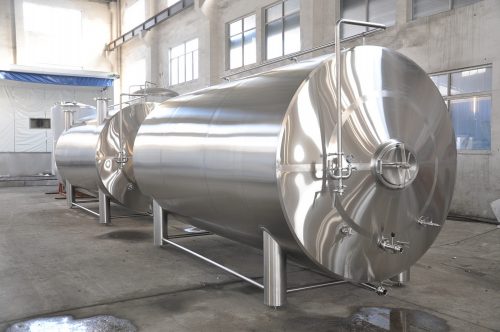
The milk storage tank is used on dairy farms and in milk processing plants to store raw milk safely before it is transported or further processed. Its primary function is to keep the milk at a consistently low temperature—typically between 1°C and 4°C (34°F to 39°F)—in order to preserve freshness, prevent bacterial growth, and maintain quality.
Modern milk storage tanks are usually made of stainless steel (both the inner and outer layers), which ensures durability, corrosion resistance, and easy cleaning. The space between the inner and outer walls is filled with high-efficiency insulation material, such as polyurethane foam, to minimize temperature fluctuations.
Most tanks are equipped with a direct expansion (DX) refrigeration system or a chilled water cooling system, which rapidly reduces the milk temperature immediately after milking. They also feature automatic agitators (stirrers) that operate intermittently to ensure uniform cooling and prevent cream separation.

 Contact
 E-mail
Advantages

NFE specializes in custom-engineered stainless steel solutions. Their milk tanks are designed as horizontal or vertical chilled storage tanks with agitation systems for the dairy industry.
-
Superior Materials: The tanks are manufactured using 304 or 316 food-grade stainless steel. This offers excellent corrosion resistance, durability, and is compatible with rigorous cleaning processes, ensuring a long service life.
-
High Customizability: NFE provides full customization to meet specific client needs. Options include a wide range of capacities (from 100L to over 100,000L), various shapes, insulation, heating/cooling jackets, and different agitation systems.
-
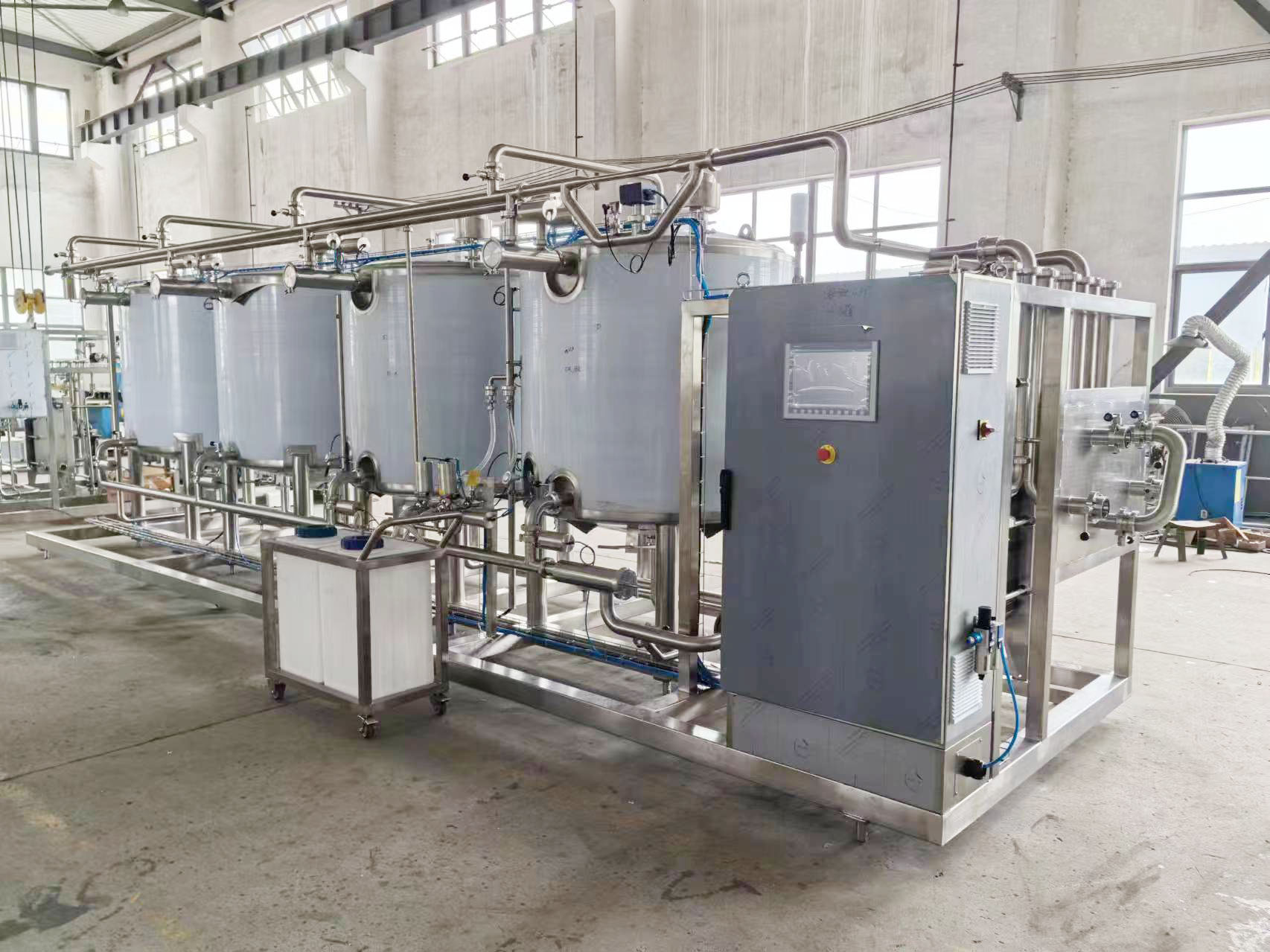
Integration with Modern Systems: Tanks can be equipped with instrumentation and automation controls, ranging from manual to a fully integrated PLC (Programmable Logic Controller) system. This allows for precise temperature control and process automation.
-
Rigorous Quality Assurance: Every tank undergoes strict quality control checks, including pressure testing, surface finish inspection, and weld verification. This ensures high reliability and safety.
-
Global Service and Support: Beyond manufacturing, NFE provides comprehensive after-sales support, including 3D design drawings, installation guidance, on-site commissioning, operator training, and technical assistance. They have successfully installed equipment globally, spanning Europe, North America, South America, Oceania, Asia, and the Middle East.
Parameter
 |
Key components typically include:
-
Digital temperature controllers and sensors for precise monitoring.
-
CIP (Clean-in-Place) systems for automated internal cleaning without disassembly.
-
Level indicators or weighing systems to measure milk volume.
-
Inlet/outlet valves for hygienic milk transfer.
Milk storage tanks come in various capacities, ranging from small farm units of a few hundred liters to large industrial silos of 10,000 liters or more. They are designed to meet strict food safety and hygiene standards, such as those required by the FDA or EU regulations.

 Message