
Blog
10-
07
The Pros/Cons Of Having One Versus Separate CIP And CO2 Arms For Beer Unitanks
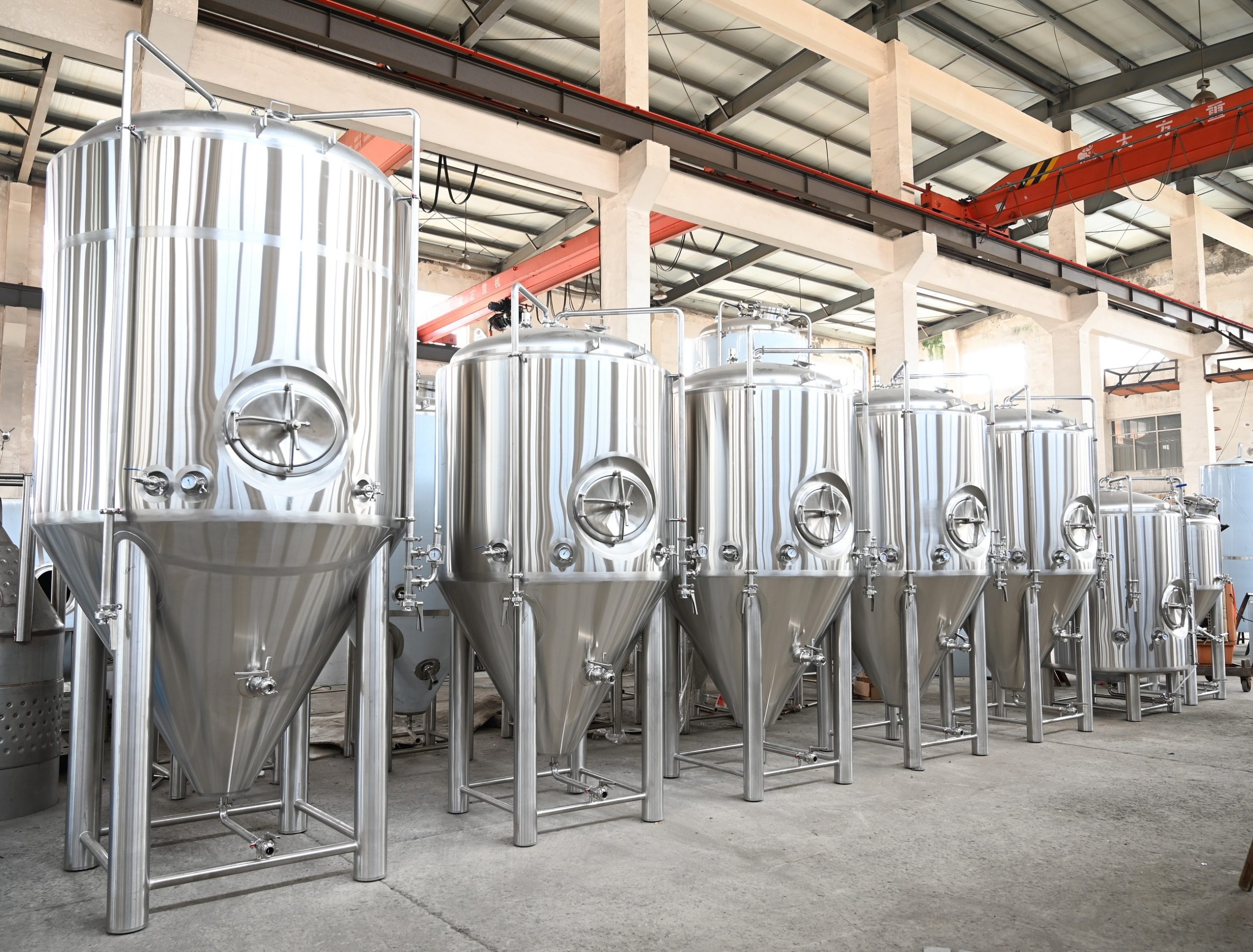
Whether to have one combined Clean-In-Place (CIP) and Carbon Dioxide (CO2) arm or separate arms for beer unitanks in a brewery depends on various factors, and both options have their pros and cons.If space and cost savings are critical and you can manage potential limitations, a combined arm might be suitable. However, if you value operational efficiency, flexibility, and redundancy, separate arms could be the better option.
More
08-
14
How To Build a Beer Brewing System?
Building a beer brewing system can be a complex and involved process, requiring a good understanding of brewing principles, engineering, and equipment. Building a beer brewing system involves several steps and considerations, ranging from designing the system to sourcing materials, assembling equipment, and ensuring safety and functionality.
More
08-
09
High Gravity Brewing Is Good For Your Brewhouse System?
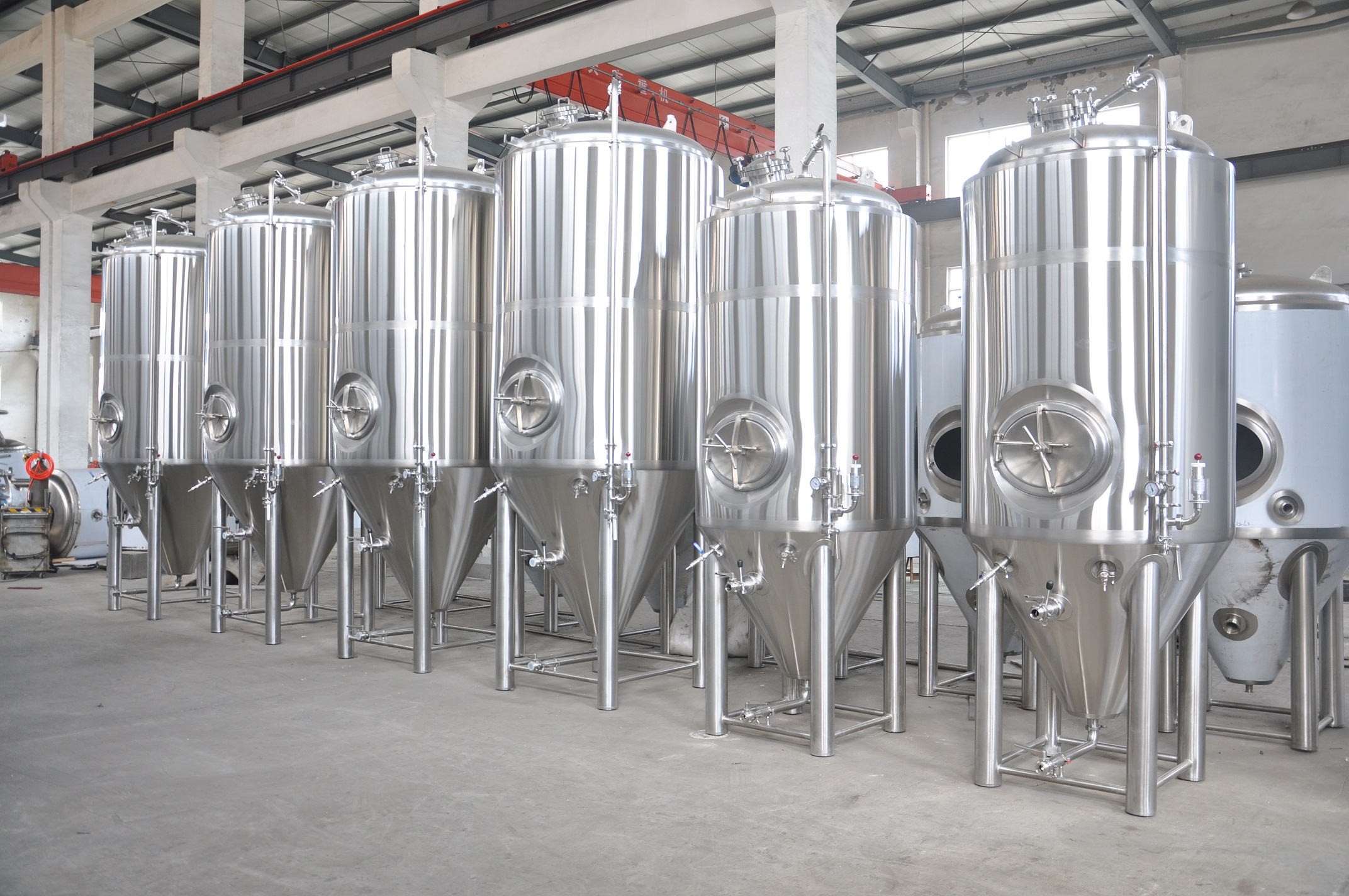
"High gravity brewing" refers to a brewing technique where a higher concentration of fermentable sugars is used in the brewing process. This often leads to a higher alcohol content in the finished beer. This technique can offer several benefits and challenges to your brewhouse system, depending on your specific goals and equipment.
More
06-
05
Stackable Beer Lagering Tanks
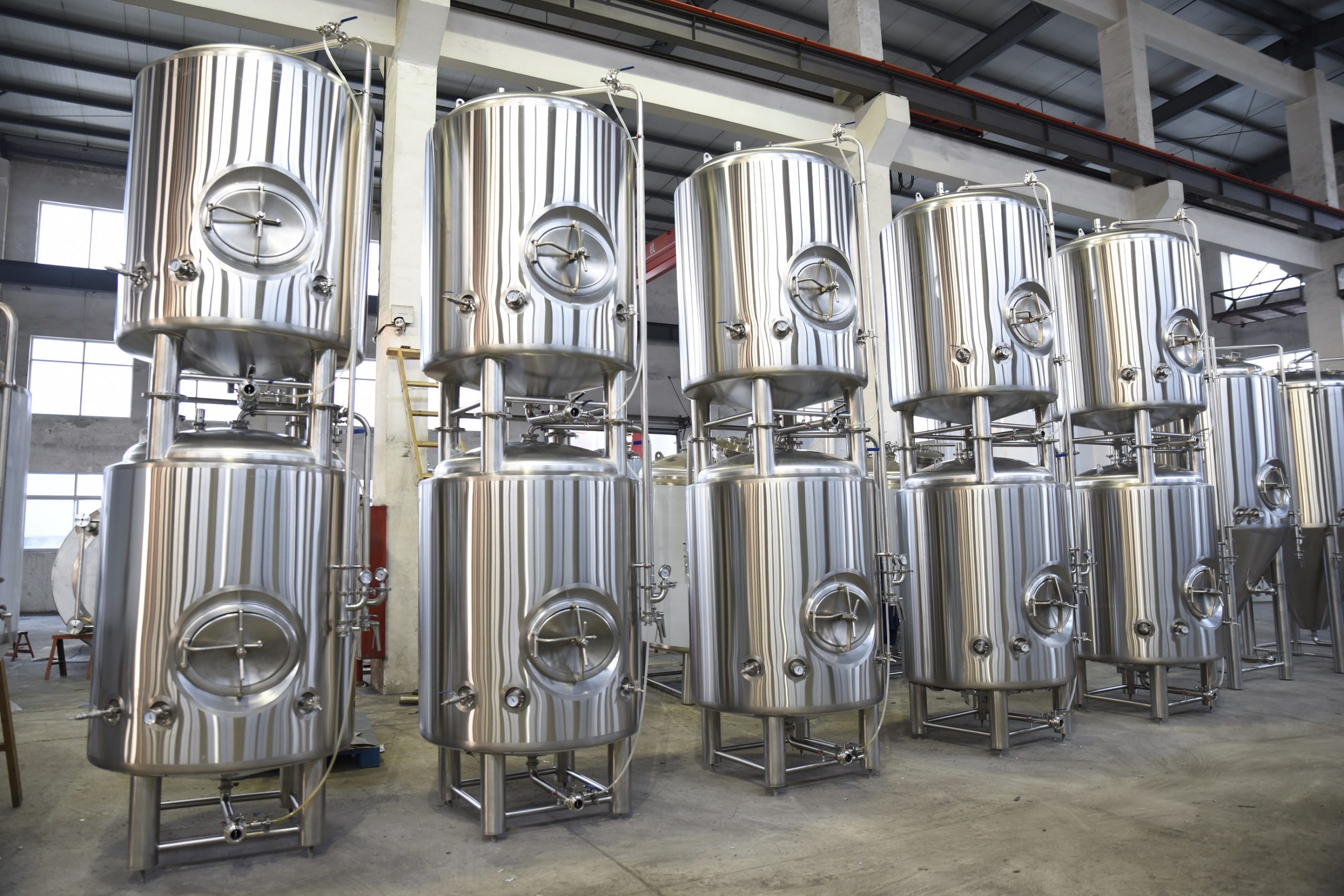
Stackable beer lagering tanks, also known as stackable maturation tanks or horizontal stacking tanks, are specifically designed to be stacked on top of each other, providing efficient use of space in a brewery. These tanks offer a convenient solution for breweries with limited floor space or those looking to expand their storage capacity without increasing their footprint.
More
06-
02
Combination Mash/Lauter Tun VS. Separate Tanks
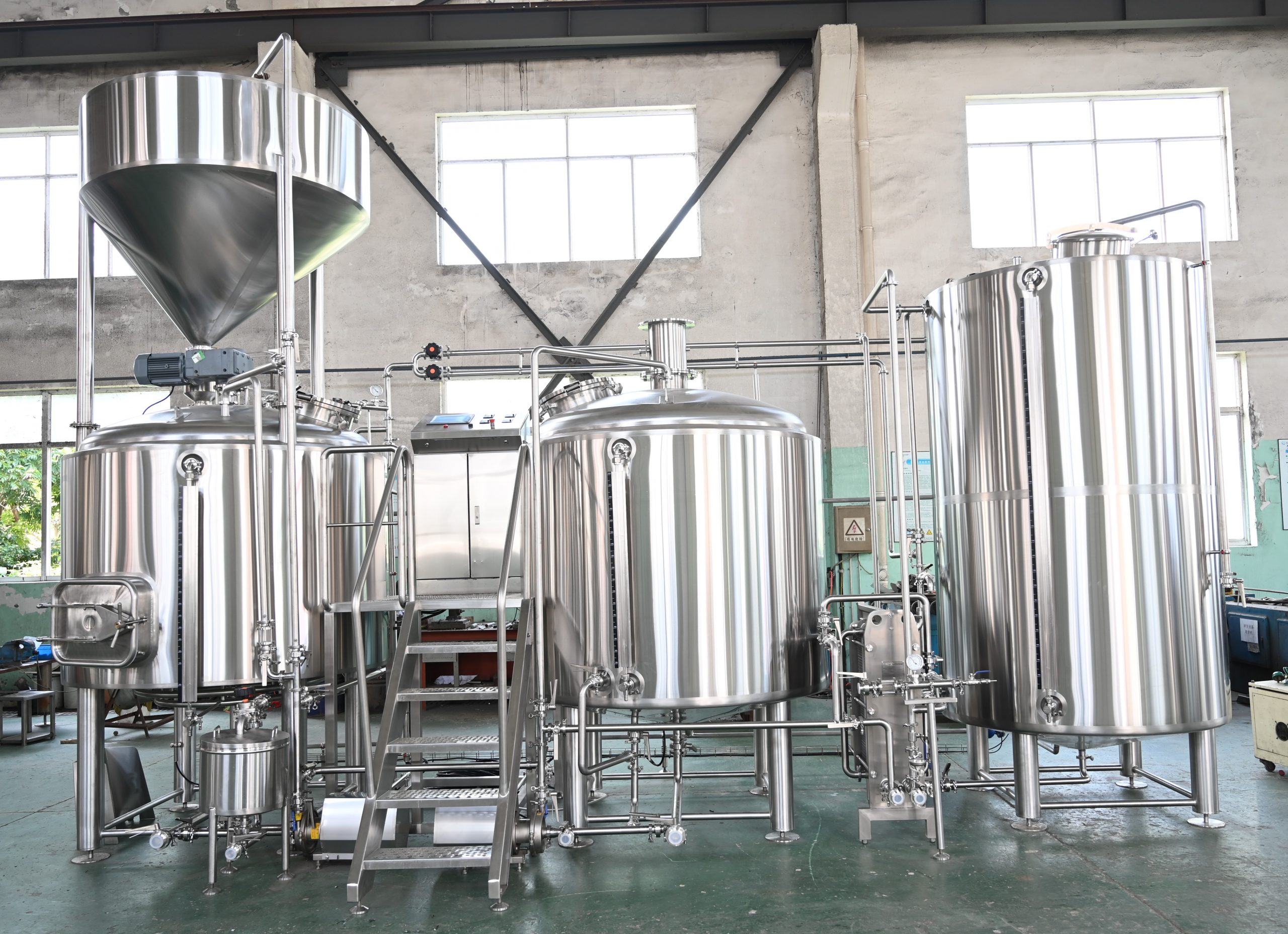
The decision to choose a combination mash/lauter tank or separate tanks in a brewery depends on various factors, including the scale of production, brewing process preferences, space constraints, and cost considerations.It's important to note that the choice between combination mash/lauter tanks and separate tanks is not mutually exclusive, and breweries may opt for a hybrid approach based on their specific needs and production scale.
More
06-
10
Types of Wine Fermentation Tanks
Wine fermentation tanks play a crucial role in the winemaking process, serving as specialized equipment that facilitates the fermentation, storage, and maturation of wine. These tanks are available in a wide range of sizes and are constructed from various materials, with stainless steel being the most popular choice. The preference for stainless steel is largely due to its exceptional durability and sanitary properties, which help ensure the quality and safety of the wine throughout production.
At NFE, we take pride in our expertise in manufacturing high-quality stainless steel wine fermenters. Our tanks are specifically engineered for the primary fermentation of grape juice or must, making them ideal for winemakers seeking to produce exceptional wines. We understand that different winemaking styles require different fermentation techniques, which is why we offer a diverse selection of wine fermentation tanks tailored to meet various needs.
More