

 HOME
HOME
 BLOG
Essential Equipment for Cider Making: A Comprehensive Guide to Modern Hard Cider Production, Supplies and Success
BLOG
Essential Equipment for Cider Making: A Comprehensive Guide to Modern Hard Cider Production, Supplies and Success
Essential Equipment for Cider Making: A Comprehensive Guide to Modern Hard Cider Production, Supplies and Success


Are you struggling with inconsistent cider batches, unclear processes, or unreliable equipment that puts your business at risk? Many craft cideries and ambitious homebrewers face this very challenge. Faulty fermentation, improper sanitation, and inefficient pressing can waste valuable apples and effort. The solution lies in investing in reliable, modern cider making equipment designed to streamline every stage of production—ensuring you consistently deliver premium hard cider, batch after batch.

What Equipment Do You Need for Cider Making?
To produce hard cider at scale or at home, you will need the following essential equipment: a cider press, food-grade fermenters or carboys, airlocks and stoppers, a racking cane, bottles or kegs, a hydrometer, yeast and yeast nutrient, cleaning and sanitizing supplies, acid test kits, and priming sugar. These supplies give you complete control over the entire process—from pressing to bottling.
Cider making is the controlled transformation of apple juice into an alcoholic beverage through fermentation. The practice is ancient, but modern cider production—particularly at the commercial level—relies on precise, purpose-built equipment to ensure quality, consistency, and profitability.
Why Equipment Matters
-
Precise Control: Equipment such as food-grade fermenters and fermentation tanks enables accurate temperature and oxygen management, which is essential for producing consistent hard cider.
-
Efficiency: Industrial cider presses and racking tools reduce labor requirements and improve juice yield.
-
Hygiene: Stainless steel and glass surfaces are easier to sanitize, minimizing the risk of spoilage or contamination.
Cidermaker Insight:
“The difference between an award-winning cider and a spoiled batch often comes down to a clean fermenter, a reliable airlock, and careful measurement.”
 |
 |
Essential Equipment for Cider Making: The Professional’s Checklist
Below is a comprehensive overview of everything you need for cider making, from small-batch hobbyist setups to large-scale commercial operations:
| Equipment | Purpose | Scale | Notes |
|---|---|---|---|
| Cider Press | Extract juice from apples | Home / Commercial | Available in manual, hydraulic, or electric models |
| Crusher | Crush apples prior to pressing | Medium / Large | Improves processing speed and juice yield |
| Fermenter / Carboys | Ferment juice into hard cider | All scales | Options include glass carboys, stainless steel tanks, or HDPE vessels |
| Airlock & Stopper / Bung | Allow CO₂ release while preventing contamination | All scales | Essential for safe fermentation |
| Hydrometer | Measure sugar content and track fermentation progress | All scales | Used to calculate specific gravity and ABV |
| Racking Cane | Transfer cider while minimizing sediment carryover | All scales | Necessary for bottling |
| Bottles & Caps / Kegs | Store finished cider | All scales | Standard beer bottles or specialty cider bottles |
| Cleaning Supplies | Clean and sanitize all equipment | All scales | Food-grade sanitizers are strongly recommended |
| Yeast & Yeast Nutrient | Convert sugars into alcohol and support healthy fermentation | All scales | Champagne yeast is commonly used for dry ciders |
| Acid Test Kit | Monitor pH and acid balance | All scales | Critical for flavor development and preservation |
| Priming Sugar | Enable natural carbonation in bottles | All scales | Corn sugar is the most common choice |
Tip:
A well-equipped hard cider making kit includes all the items listed above, making it easier for newcomers to get started without omitting essential components.
The Role of the Cider Press: The First Step in Cider Production
Pressing apples is the first tangible step in the cider-making process. The cider press extracts the juice that serves as the foundation for every batch. Modern cidermakers can choose from several types:
-
Manual Presses: Ideal for homebrewers producing up to 10 gallons per batch. Traditional and reliable, but labor-intensive.
-
Hydraulic Presses: Suited for medium to larger producers. Offer increased juice yield and easier operation.
-
Electric Presses: Designed for commercial operations. Fast, efficient, and optimal for high-volume production.
Best Practices:
-
Sanitize your press thoroughly before and after each use.
-
Use a crusher to break down apples for higher extraction efficiency.
-
Press apples promptly after crushing to minimize oxidation.
Case Example:
A Michigan-based cidery upgraded from two manual presses to a single 500L electric cider press, increasing batch capacity from 30 gallons to 250 gallons per run while reducing labor time by half.
 |
 |
Fermentation: Carboys, Tanks, Airlocks, and Process Control
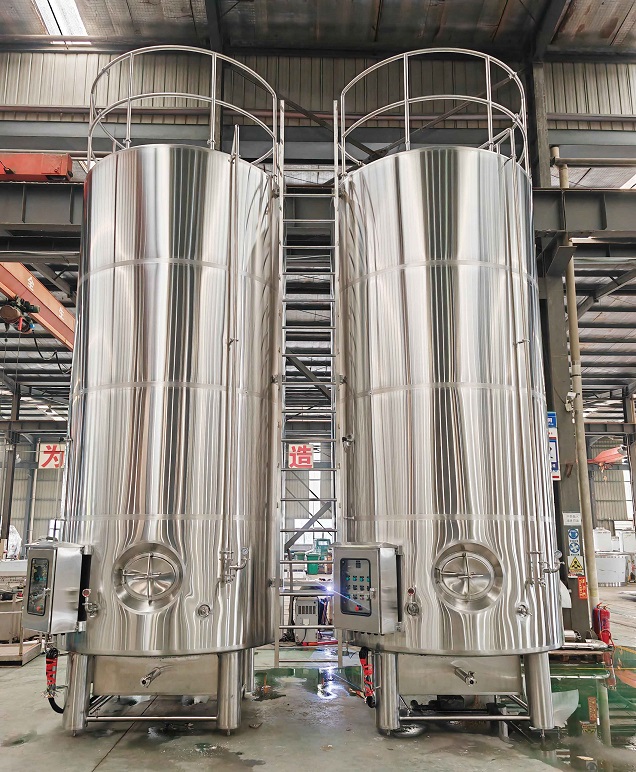
Fermentation is the heart of cider making—the stage where apple juice transforms into hard cider. The fermenter—whether a glass carboy, an HDPE food-grade bucket, or a stainless steel tank—must:
-
Hold cider without leaching flavors
-
Be easy to clean and sanitize
-
Accommodate a tight-fitting stopper and airlock
Managing Fermentation:
-
Primary Fermentation: Juice, yeast, and yeast nutrient are combined in a fermenter fitted with a sanitized stopper and airlock.
-
Secondary Fermentation: The cider is racked to a clean carboy or tank for clarification and flavor maturation.
-
Airlocks allow CO₂ to escape while preventing oxygen and wild microbes from entering.
Fact:
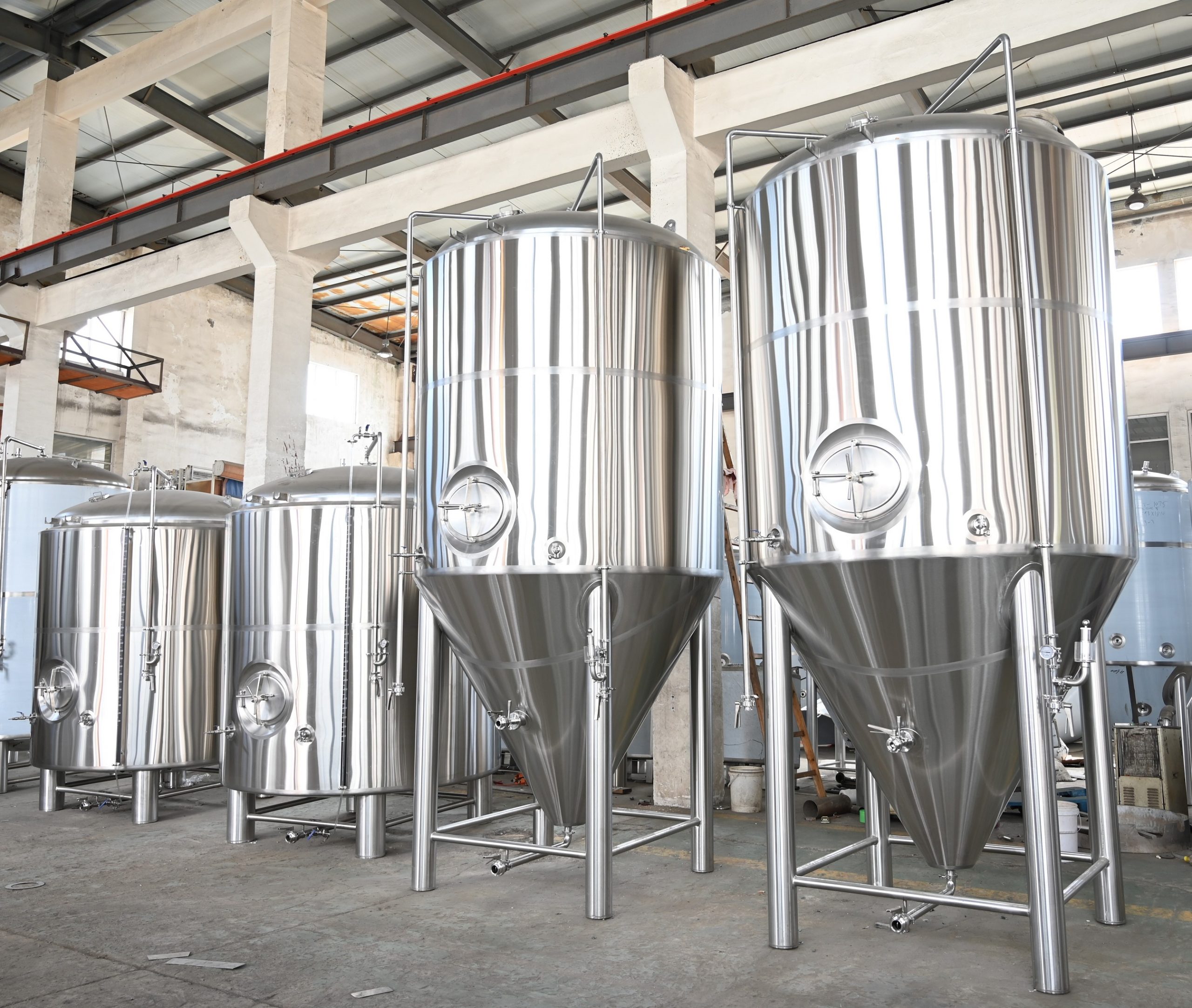
Fermentation temperature is critical. If it is too cold, fermentation may stall; if too warm, off-flavors can develop. Modern stainless steel fermenters with temperature control jackets offer precise regulation—an essential feature for commercial cideries.
| Fermenter Type | Pros | Cons |
|---|---|---|
| Glass Carboy | Affordable, easy to clean, transparent | Fragile, heavy |
| Plastic Bucket | Lightweight, cost-effective | Prone to scratches that can harbor microorganisms |
| Stainless Steel Tank | Durable, temperature-controllable, professional appearance | Higher cost, opaque |
Hard Cider Yeast, Nutrient, and the Chemistry of Fermentation
The choice of yeast significantly influences alcohol content, flavor profile, and clarity. Cider-specific strains, ale yeasts, and champagne yeasts each offer distinct characteristics. Yeast nutrient is essential for a healthy, complete fermentation—particularly when using apple varieties low in nitrogen.
Common Problems and Solutions:
-
Stuck Fermentation? Check temperature, aerate gently, and consider adding nutrient.
-
Off-Flavors? Review yeast health and sanitation practices.
Testing, Measurement, and Quality Control in Cider Making
Modern cidermakers rely on several tools to ensure product quality:
-
Hydrometer: Measures specific gravity before and after fermentation to determine alcohol content and monitor fermentation progress.
-
Acid Test Kit: Balances pH and acidity to optimize flavor and preservation.
-
Yeast Nutrient: Supports vigorous fermentation, particularly for larger batches.
| Key Measurement | Target Range | Impact |
| Starting Gravity | 1.045 – 1.065 | Determines potential alcohol content |
| Final Gravity | 0.995 – 1.010 | Influences sweetness and dryness |
| pH (Acidity) | 3.2 – 3.8 | Affects flavor stability and preservation |
| ABV (Alcohol Content) | 5 – 8% | Subject to regulatory compliance |
Tip:
Always record batch data for continuous improvement—top cideries treat data as seriously as their ingredients.
Bottling and Kegging: From Fermenter to Table
Bottling hard cider demands meticulous attention to cleanliness, carbonation, and packaging.
Bottling Steps:
-
Clean and sanitize all bottles and caps.
-
Use a racking cane to transfer cider, minimizing sediment.
-
Add a precise amount of priming sugar (typically corn sugar) for carbonation.
-
Cap bottles or seal kegs securely.
Packaging Options:
-
Beer Bottles: Common and cost-effective.
-
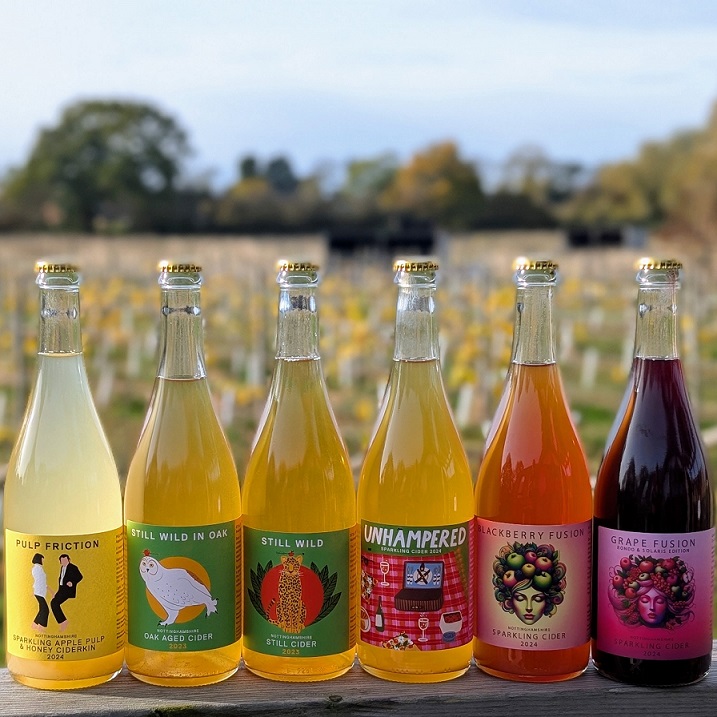
Cider Bottles: Offer a premium appearance and are available in larger formats.
-
Kegs: Suitable for bars, events, and high-volume sales.
Fact:
A standard 5-gallon batch yields approximately 50 regular-sized bottles. Allow 2–3 weeks for natural carbonation before chilling and serving.

Cleaning and Sanitizing: The Most Critical Habit in Cider Making
A successful cidermaker prioritizes cleaning above all else.
-
Use food-grade sanitizing solutions on every piece of equipment before and after each use.
-
Pay special attention to fermenters, bottles, airlocks, and stoppers.
-
Brushes and specialized bottle cleaners are essential supplies.
Neglecting sanitation is the leading cause of failed cider batches—more than any other mistake.
Scaling Up: Equipment for Commercial Hard Cider Production
As your production grows, your equipment requirements will evolve. Scaling up typically involves:
-
Larger fermentation tanks (500L to 5,000L and above)
-
Hydraulic or continuous-feed cider presses
-
Automated bottle or keg fillers
-
In-line acid and gravity testing systems
-
Advanced cleaning systems (CIP – Clean-in-Place)
Case Study:
A Chinese craft cider producer upgraded from 50L glass carboys to 2,000L stainless steel fermenters with temperature control, quadrupling capacity and successfully entering the export market.
Explore our complete and customizable cider making equipment solutions designed for global production standards.
Apple Varieties, Cider Recipes, and Customization
The quality of your cider depends on selecting the right apple blend—bittersweet varieties for tannins, sharp varieties for acidity, and sweet varieties for body.
-
Blending different apple types creates complex, well-balanced hard cider.
-
Recipe kits are available with pre-measured ingredients to ensure consistent results batch after batch.
-
Producers targeting niche markets can further customize their cider using specialized yeasts, barrel aging, or botanical infusions.
Troubleshooting and Advanced Tips
Common Issues and Solutions:
-
Cloudy cider after bottling? Rack more carefully, consider using fining agents, or allow additional secondary fermentation time.
-
Over-carbonation? Reduce priming sugar and measure more precisely.
-
Weak or stalled fermentation? Re-evaluate yeast strain, check fermentation temperature, and add nutrient if needed.
Expert Tip:
Always keep backup supplies of stoppers, airlocks, yeast, and sanitizer. These low-cost items can save an entire batch from spoilage.
Innovations and Trends: The Future of Cider Making Equipment
Modern cideries are increasingly adopting automation, data logging, and smart fermentation monitoring technologies, including:
-
In-line sensors for gravity, pH, and temperature
-
Automated racking and cleaning systems
-
Modular tanks for flexible batch sizing
-
Sustainable practices such as water conservation and apple waste recycling
The hard cider market is experiencing significant growth, particularly among younger consumers seeking craft, local, and distinctive alcoholic beverages. Investing in the right cider making equipment is essential to capitalizing on this trend.
Frequently Asked Questions
What is the difference between apple cider and hard cider?
Apple cider is pressed, unfermented apple juice. Hard cider is fermented, contains alcohol, and is typically filtered.
Do I need a special yeast for hard cider?
While wine or beer yeast can be used, cider-specific yeast strains are recommended for a clean, crisp flavor and complete fermentation.
Can I make cider with any apples?
Yes, but for optimal results, blending bittersweet, sharp, and sweet varieties is recommended.
How important is cleaning in cider making?
Critical. Poor sanitation is the primary cause of batch failures. Always clean and sanitize all cider making equipment thoroughly.
What is secondary fermentation, and is it necessary?
Secondary fermentation improves clarity and flavor. It is recommended for all cider makers aiming for the highest quality product.
How do I scale up from hobby to commercial production?
Upgrade to stainless steel fermenters, automated presses, and commercial cleaning systems. Explore our tailored cider making equipment packages for scalable solutions.
Summary: What Matters Most for Cider Making Success
-
Use only professional-grade, food-safe cider making equipment—never compromise on quality.
-
Sanitize everything, every time.
-
Maintain strict control over fermentation temperature and monitor each batch closely.
-
Choose the right yeast and nutrients to support healthy fermentation.
-
Scale up with appropriate tools as demand increases.
-
For expert guidance and turnkey solutions, visit our cider making equipment page.
Your equipment is just as important as your apples.
Ready to elevate your cider production?
Contact us today for world-class cider making equipment solutions and technical support, trusted by successful cideries around the globe.

 Message